
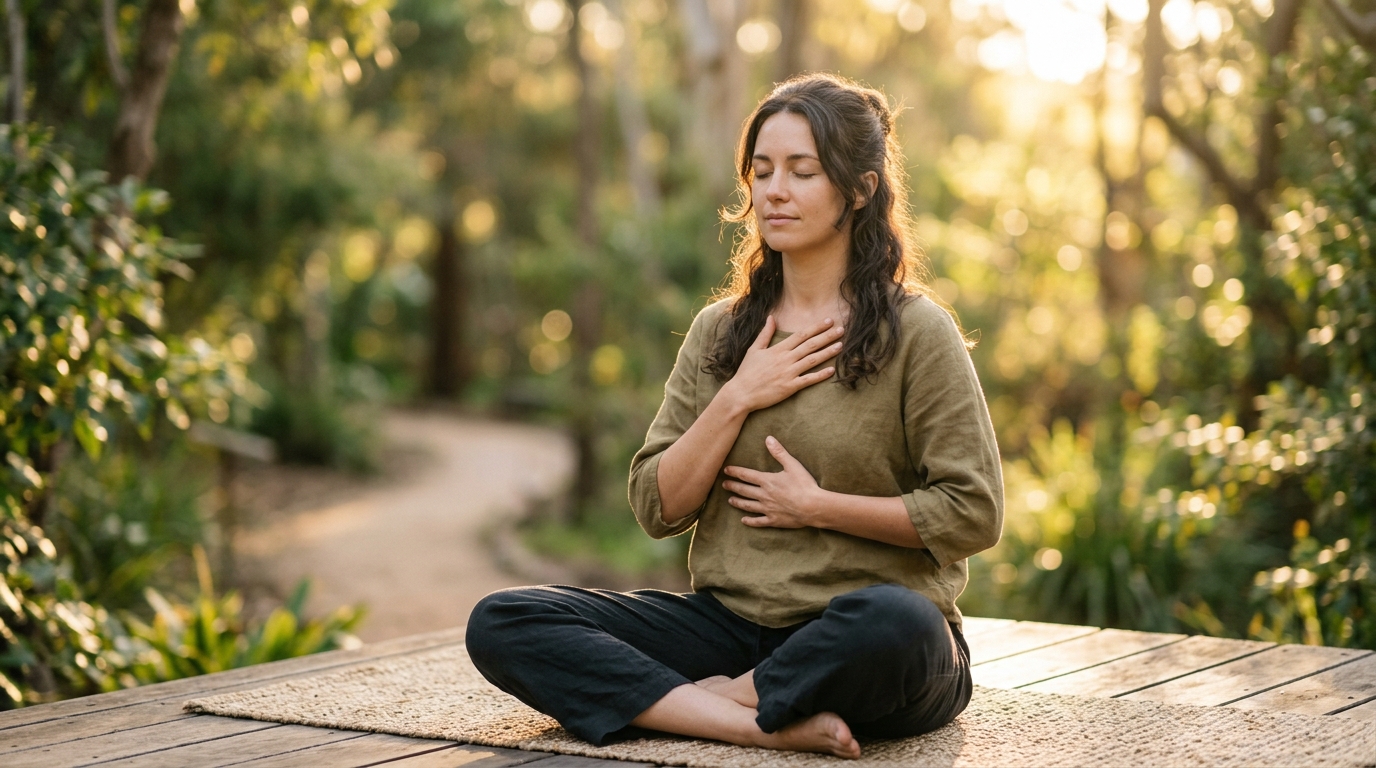
People ask me a lot whether they must have a medical degree to lead breathing sessions. For most, the answer is no. You do not need any medical training to begin. Breathwork practitioners use normal breathing techniques. It does not depend on clinical care, and it is not about giving drugs.
At Breath Mastery, we teach you how body awareness, breath control, and safety habits allow everyday people to transform lives. This guide breaks down how dedicated non-medical students learn nervous system basics, build practical coaching skills, and help clients find deep stress relief safely.
Understanding How the Human Breath Creates Real Physical Changes
You do not need to study complex medical books to understand how breathing changes the human body. Simple breathing patterns change oxygen levels and calm down an overactive nervous system fast. Deep belly breaths slow down a racing heart and lower stress hormones in minutes.
Most people walk around taking short, shallow breaths into their chest all day long. Teaching clients basic belly breathing helps them release tension without needing medical drugs. When you join a structured breathwork practitioner training program, you learn basic anatomy concepts in plain language. You gain practical tools to show clients how intentional breathing lowers anxiety naturally.
- Learn how slow breathing signals safety directly to the human brain
- Help clients notice physical stress signs inside their own bodies
- Guide people through basic nose breathing to improve everyday energy
- Show students how deep exhalations release held physical tension fast
What You Actually Learn in Non-Medical Training Programs
Good training programs teach real coaching skills rather than confusing medical terms. You learn how to lead individual sessions and group workshops with clear verbal cues. Instructors show you how to set up peaceful rooms that make clients feel safe.
Completing a full Breathwork Certification program gives you hands-on experience before you accept paying clients. You practice leading sessions while senior teachers watch and give honest feedback. These practical training hours build your confidence far faster than reading heavy science textbooks ever could.
- Master clear verbal instructions that keep clients calm and focused
- Learn safe pacing techniques for both gentle and intense sessions
- Recognize physical signs that show a client feels overwhelmed
- Create supportive environments where people drop their emotional guard
 Essential Safety Protocols Every Coach Must Always Follow
Working without a medical license means staying within clear safety boundaries at all times. Professional breath coaches never diagnose diseases or tell clients to stop taking prescribed medicines. You teach self-care tools that complement standard medical care safely.
- Screen new clients for severe health conditions before starting sessions
- Avoid fast hyperventilation methods with pregnant or frail clients
- Keep emergency contact numbers ready inside your session space
- Explain clearly that breath coaching supplements standard medical care
Wondering how to turn your passion for helping others into a rewarding breathing practice?
Explore Breath Coaching Options!
Building Personal Confidence as an Emerging Breath Guide
Many new teachers suffer from self-doubt when starting their professional journey. You might worry that clients will ask complex medical questions you cannot answer. Successful coaches simply explain that breathing techniques support natural wellness rather than cure clinical diseases.
- Share your personal breathing story to build authentic client trust
- Focus on active listening rather than trying to fix every problem
- Practice simple techniques on friends to sharpen your verbal cues
- Build a local network of health workers for easy client referrals
Launching Your Own Successful Breathing Business
Once you finish your core training, you can start offering public sessions right away. Many coaches rent space inside local yoga studios, gym rooms, or community halls. Others launch online group classes to reach clients living in different cities.
Completing comprehensive breathwork practitioner training gives you the tools needed to design profitable workshops. You can teach simple stress relief classes to busy corporate workers during lunch breaks. You can also host quiet evening sessions for people suffering from poor sleep habits.
- Rent hourly space in local wellness centers to keep overhead low
- Host free introductory workshops to show local people your style
- Offer simple online sessions for clients who prefer home practice
- Partner with local wellness professionals to cross-promote services
Growing Your Impact as a Trusted Breathwork Practitioner
Stepping into this career allows you to make a genuine difference in your community every week. You watch clients enter your room carrying heavy stress and leave feeling light and calm. Helping people regain control over their health provides deep personal reward.
At Breath Mastery, we help everyday people transform their passion into professional breathing practices. Our step-by-step methods give you real coaching tools without requiring years of medical school. As a certified Breathwork Practitioner, you can build a fulfilling business while guiding others toward better health naturally.
Conclusion
You do not need a medical degree or clinical background to build a thriving coaching career. Dedication, empathy, and proper safety training matter far more than medical titles. Choosing to complete breathwork practitioner training with Breath Mastery gives you the skills to guide clients safely. Step forward today and learn how a certified Breathwork Practitioner helps people transform their lives through simple breath control.
FAQs
Do you need a medical background to become a breathwork practitioner?
You do not need any medical background to start this rewarding career path. Breathwork training focuses on safe breathing techniques, nervous system relaxation, and practical client guidance. Good training programs teach you basic body awareness without heavy medical jargon. You learn practical skills that help everyday clients release stress and improve personal wellness safely without clinical degrees.
What qualifications do you need to become a certified breath coach?
You need to complete a recognized certification program from a respected training school. Quality courses require live practice hours, safety testing, and real client practice sessions. You need to study the right way to handle intake, and you should learn how to breathe safely. You also must know the basic steps to use in an emergency.
Can beginners enroll in a structured breath coach training program?
Beginners can enroll in introductory training courses without any prior professional experience. Most foundational programs welcome students who possess a personal passion for conscious breathing. Training modules start with basic principles before moving into advanced coaching methods. Instructors guide you through every step so you build strong confidence before working with public clients.
What core skills are taught during professional breath guide training?
Training programs teach you how to lead safe individual and group breathing sessions. You learn clear verbal cueing, room setup, music selection, and nervous system basics. Instructors show you how to screen clients for health risks and adjust techniques safely. You also learn practical business skills to help you market your new practice effectively.
How long does it take to complete a breath coach certification course?
Most certification tracks run about 3 months, and some stretch to a whole year. How long it takes can change based on how the course is set up, how much live practice you need, and how quickly you study on your own. Many programs mix at-home reading with weekend sessions that include hands-on work. They also require real client hours so you can apply what you learned.