Monthly Archives

March 2026

Calm, blue water with gentle ripples and light reflecting on the surface under soft, bright daylight.

Breathwork in Warm and Cold Water

By Articles No Comments

Breathing in both warm and cold water have been powerful practices in Rebirthing and the Breathwork Movement since the earliest days. In fact, Rebirthing started with warm water sessions, but we soon learned that the water brought up too much too fast for most people, and so everyone was encouraged or required to do ten ‘dry’ sessions before going into water.

Warm water sessions recreate a womb-like environment that can evoke experiences of profound relaxation, ecstatic bliss, deep ancestral and generational healing, spiritual awakening, mystical states of oneness, wholeness and cosmic union.

Read More
conscious breathing

Conscious Breathing: Shift Your State in Minutes

By Blog No Comments

Conscious breathing is a simple way to change your state without fighting your mind.

Most people try to think their way out of stress. And then they wonder why they’re still stuck inside it.

Breath is different. It’s immediate. It’s body-first. It gives your nervous system a new signal—often in minutes—before you’ve “figured anything out.”

TL;DR

  • Conscious breathing means shaping your breath on purpose to shift how you feel.
  • The fastest wins usually come from a slower pace and a longer exhale.
  • If you feel dizzy, tingly, or panicky, you’re likely overbreathing—so soften and slow down.
  • Real progress looks like more stability in daily life, not more “experiences.”

Conscious breathing: what it really means

Let’s keep this clean.

  • Conscious breathing = breathing with intention (pace, depth, rhythm, attention) to change your state.
  • Breathwork = a wider category of structured practices (regulation, awareness, emotion, performance, recovery).
  • The aim = not intensity. The aim is steadiness.

You’re not trying to overpower your thoughts.

You’re giving the body a calmer rhythm—so the mind has something real to follow.

Why conscious breathing works so quickly

Breathing is one of the few things in the body that happens automatically—and can also be guided.

That makes it a bridge between physiology and attention.

Change the breath, and you change the signals moving through your system. Often, your state follows.

A simple rule: When the breath gets softer and slower, your nervous system usually follows.

Conscious breathing practice: the 4–6 Downshift (1–3 minutes)

If you only learn one practice, learn this one. It’s quiet, discreet, and hard to overdo.

  1. Inhale through the nose for 4 seconds (easy—not maximal).
  2. Exhale for 6 seconds (smooth—not forced).
  3. Repeat for 6–10 rounds.

Make it smaller than you think. If you feel air hunger, shorten the exhale slightly.

The win is comfort and rhythm—not willpower.

A quick reset: the Physiological Sigh (30–60 seconds)

Sometimes you don’t need a long practice. You need a reset.

  • Inhale through the nose.
  • Take a second, shorter “top-up” inhale.
  • Then exhale long and slow.
  • Do 1–3 rounds.

After that, return to the 4–6 Downshift for a minute if you want to stabilize.

Conscious breathing daily practice: 5 minutes that compounds

Consistency changes the game.

Five minutes a day can be enough to teach your system to recover faster.

Try this for 14 days:

  1. Minute 1–2: 4–6 Downshift.
  2. Minute 3–5: gentle “cyclic sighing” (two inhales, long exhale) at an easy pace.

Keep the shoulders relaxed. Keep the exhale soft.

If it becomes dramatic, you’re doing too much.

Box breathing for focus (3–4 minutes)

Some days you don’t need to “relax.” You need to get organized inside.

  1. Inhale 4
  2. Hold 4
  3. Exhale 4
  4. Hold 4

Repeat 4–6 rounds.

If holds feel stressful, skip them and do a simple 4-in / 4-out rhythm instead.

The most common mistake

People chase sensation.

Tingling.

Dizziness.

Pressure in the head.

Very often, that’s just overbreathing—too fast, too big, too soon.

That doesn’t mean something is “opening.”

It usually means you should slow down and soften the breath.

In breath practice, gentleness usually takes you further than intensity.

Conscious breathing: what real progress looks like

In the beginning, people measure practice by what they feel during the session.

Later, the markers change.

  • You fall asleep more easily.
  • You recover from stress faster.
  • Your reactions soften.
  • Your attention steadies.
  • You notice your thoughts without being pulled by them.

In other words, life becomes more balanced.

And balance is where deeper awareness grows.

Conscious breathing safety (keep it simple)

Conscious breathing should never feel aggressive.

  • If you feel dizzy, numb, or panicky, stop—return to normal breathing—and try again later with a smaller breath.
  • If you have a respiratory or cardiovascular condition, are pregnant, or you’re prone to panic, start with the 4–6 Downshift only and keep it gentle.

FAQ: conscious breathing

How fast does conscious breathing work?

Many people feel a noticeable shift in 1–5 minutes, especially with a longer exhale. The more consistent you practice, the faster you tend to downshift.

Is cyclic sighing the same as hyperventilating?

No—if it’s done gently. If you get lightheaded or tingly, you’re overbreathing. Slow down and make the breath smaller. The goal is regulation, not intensity.

What’s the best conscious breathing technique for anxiety in the moment?

Start with 1–3 rounds of a physiological sigh. Then switch to the 4–6 Downshift for a minute or two. Keep it soft.

Do I have to breathe through the nose?

Nasal breathing is usually the best default for calm and pacing. If your nose is blocked, don’t force bigger breaths—shrink the breath and keep it easy.

Next step (soft CTA)

If you want a guided path—so breathing becomes a skill you can rely on in real life—explore Breath Mastery Training Programs, learn about the Practitioner Program, or start with Why Breathe?.

References

pineal gland activation illustration with glowing light above the head

Pineal Gland Activation: What People Mean (and What’s Realistic)

By Blog No Comments

Pineal gland activation is one of those phrases that shows up everywhere online.

For some people it means better sleep. For others it points to a mystical “third eye awakening.”

The truth is simpler — and, honestly, more useful.

This article is here to separate what the pineal gland does in the body from what people may experience in the inner world. Then we’ll land on something practical you can actually use: rhythm, light, and a gentle way to breathe.

Quick answer (no hype)

  • The pineal gland is best known for its role in melatonin and the body’s sleep–wake rhythm.
  • “Third eye” language often describes inner perception — attention, intuition, and emotional awareness.
  • If a practice creates tingling, dizziness, or panic, it’s often overbreathing, not “progress.”
  • The reliable basics are simple: light timing + gentle breathing + consistency.

If you only take one idea from this: don’t chase effects. Build steadiness.

A small gland with a quiet job

Biologically speaking, the pineal gland is a small endocrine gland tucked deep in the brain. Its most well-known role is producing melatonin, which helps regulate the body’s daily rhythm of sleeping and waking.

Light is the main signal that guides this rhythm.

When evening light softens, melatonin rises and the body prepares for sleep. When morning light hits the eyes, the system shifts again.

That’s why, if your goal is better sleep, light exposure is often more powerful than any “activation technique.”

If your goal is sleep, start here:

  • Reduce bright light at night (especially overhead lighting).
  • Keep a consistent sleep/wake schedule.
  • Get outdoor morning light when possible.
  • Use gentle breathing to help the nervous system downshift.

Why the “third eye” shows up in the conversation

Across many spiritual traditions, the “third eye” is a symbol for inner perception — the ability to observe thoughts, emotions, and sensations more clearly.

Breathwork and meditation can sometimes make inner experience feel more vivid. People may notice forehead sensations, spaciousness, or a sense of expanded awareness.

There is nothing wrong with any of that.

Still, it helps to name what’s happening:

  • The biological level: melatonin, circadian rhythm, sleep cycles.
  • The experiential level: awareness, attention, intuition, emotional perception.

Both can be meaningful. They just aren’t the same thing.

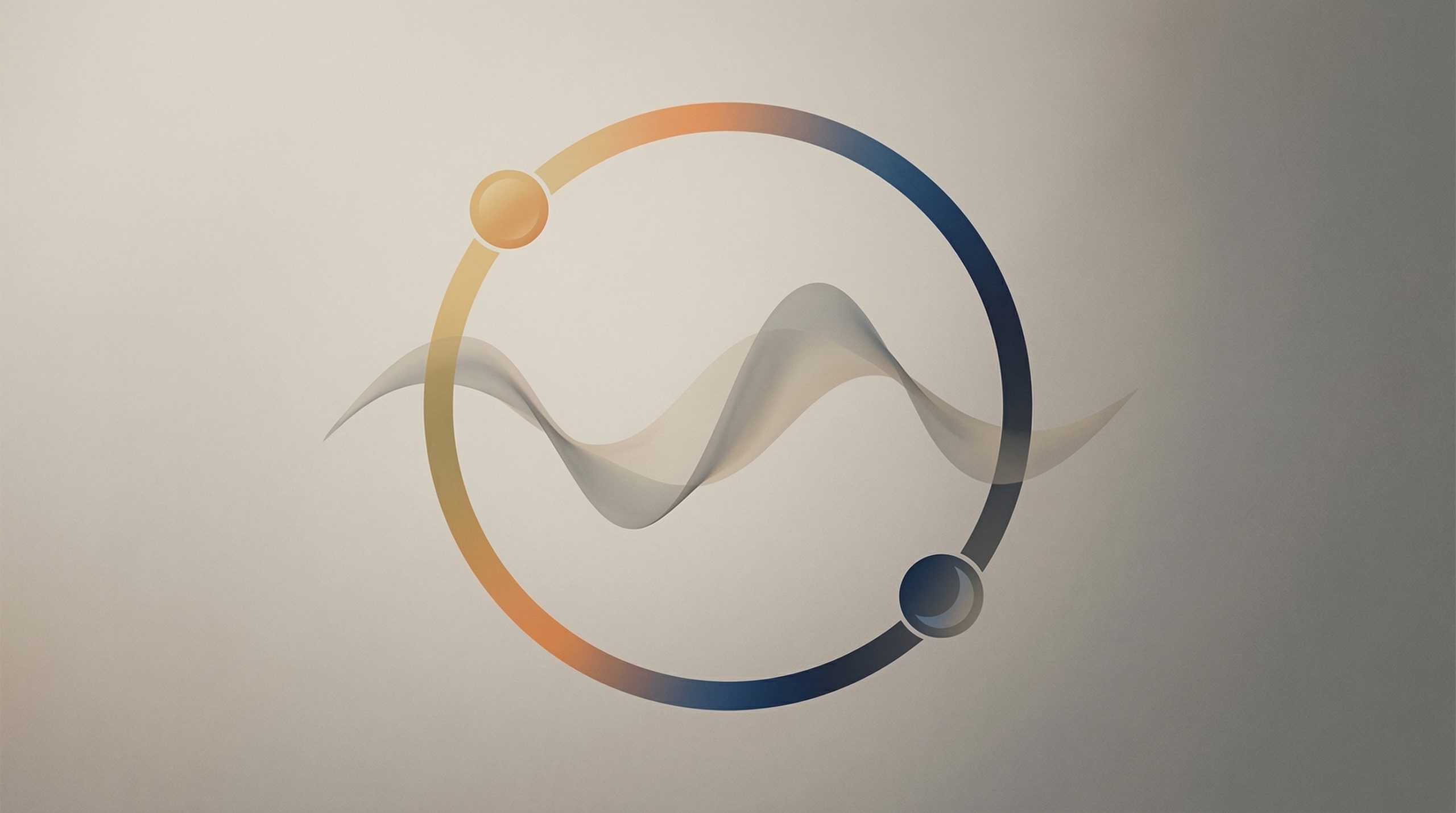
Abstract circadian rhythm ring with a calm breath waveform
A grounded frame: pace, rhythm, and consistency usually beat intensity.

The most common mistake

Many people assume strong sensations mean something powerful is happening.

Tingling.

Dizziness.

Pressure in the head.

Very often, that’s simply overbreathing — breathing too fast, too big, or too forcefully.

When that happens, the chemistry shifts and the body reacts with sensations that can feel dramatic.

That does not mean you are “activating” anything.

It means you should slow down and soften the breath.

In breathwork, gentleness usually takes you further than intensity.

A simple practice that works

If you want a practical place to start, keep it simple.

First, support your body’s natural rhythm.

Dim the lights in the evening. Give your nervous system permission to wind down.

Then try a gentle breathing rhythm.

The 4–6 downshift

  • Inhale through the nose for 4 seconds
  • Exhale slowly for 6 seconds
  • Keep the breath relaxed (not forced)
  • Continue for 1–3 minutes

The longer exhale signals safety to the nervous system.

Over time, this helps your body transition more easily into rest and sleep.

And the more consistently you practice, the more natural it becomes.

Rhythm beats force. Steadiness beats fireworks.

What real progress looks like

People sometimes expect dramatic inner visions or mystical experiences.

Those can happen.

But they are not the point.

Real progress usually looks much simpler:

  • Falling asleep more easily
  • Recovering faster after stress
  • Steadier energy through the day
  • Noticing thoughts without being pulled by them
  • Feeling more present in ordinary moments

In other words, life becomes more balanced.

And balance is where deeper awareness grows.

The deeper perspective

For many people, breathwork eventually becomes more than a relaxation technique.

It becomes a way of reconnecting with something deeper within themselves.

The breath sits at the meeting point of body and mind — physiology and awareness.

You could say it is a bridge between the conscious and the unconscious.

When you learn to cross that bridge with attention and respect, surprising things begin to unfold: clarity, insight, and sometimes a quiet sense of peace.

Not because you forced something to happen.

But because you learned how to listen.

If you want more structure

If you want guidance beyond trial-and-error, explore Breath Mastery Training Programs, review the Practitioner Program, or check upcoming live events.

For context on why breath matters in the first place, you can also start with Why Breathe? and Meet Dan.

FAQ

Is pineal gland activation a medical term?

No. In medicine, the pineal gland is mainly discussed in relation to melatonin and circadian rhythm. Online, the phrase often blends biology with spiritual symbolism.

Can breathwork “switch on” the pineal gland?

Breathwork is better understood as a way to influence nervous system state and attention. That can support sleep and clarity. It isn’t a button you press.

Why do some practices create tingling or dizziness?

Often it’s overbreathing. Make the inhale smaller, slow the pace, and lengthen the exhale. When in doubt, choose a gentler practice.

What’s a simple daily routine?

Try 2–3 minutes of the 4–6 downshift in the evening. Pair it with dimmer lighting and consistent sleep timing for a couple of weeks.

Disclaimer: This article is for education only and is not medical advice. If you have a medical condition, are pregnant, or have a panic/trauma history, start gently and consider professional guidance before intense breathwork.


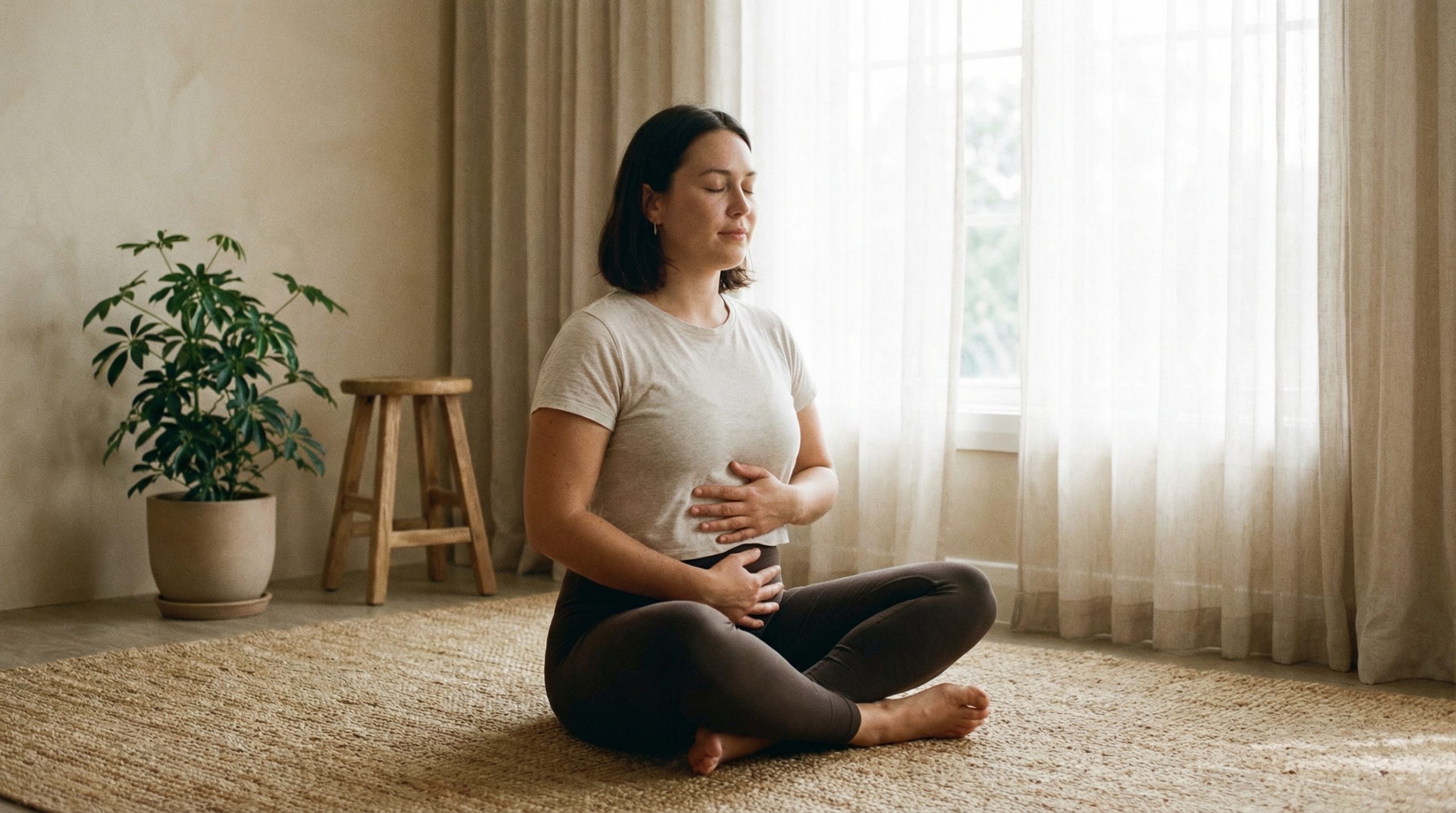
A woman sits cross-legged on a rug with her eyes closed, one hand on her chest and one on her abdomen, in a bright, minimal room with a plant and wooden stool.

Breathwork for Beginners: The 5 Most Common Mistakes (and Quick Fixes)

By Blog No Comments

A breathwork course can look simple from the outside.

You inhale. You exhale. You expect to feel better.

And then… you don’t.

For many beginners, the problem isn’t motivation. It’s a few small habits that quietly turn a good practice into a confusing one. A well-structured breathwork course helps you catch those habits early—so breathwork feels steadier, not weirder.

This guide is here to do exactly that.

No drama. No forcing. Just clear fixes you can use today.

Breathwork course: quick answer

  • If breathwork makes you feel worse, it’s usually not “failure.” It’s often too much breath, too fast, or too soon.
  • The fastest reset is simple: gentler inhale, slower pace, longer exhale, nose breathing.
  • Good training builds calm and clarity first—then explores intensity (if it’s even needed).

Quick definition: A breathwork course is a guided learning path that teaches foundations—mechanics, pacing, safety, and progression—so you know what to do when breathwork feels calming, activating, emotional, or simply unfamiliar.

Breathwork course guide: what you’ll learn

Breathwork course safety: a simple baseline

Start with this principle:

Regulation before intensity.

If you have a history of panic, dizziness, fainting, cardiovascular/respiratory conditions, are pregnant, or are working with unresolved trauma, begin gently. Keep practices short. Stay in nose breathing when you can. When in doubt, choose calm over “more.”

If you want guided structure, explore Breath Mastery Training Programs or browse upcoming events.

Breathwork course mistakes: the 5 most common (and quick fixes)

Many beginners aren’t doing breathwork “wrong.”

They’re just doing it too much.

So let’s make it simpler.

1) Mouth breathing by default

Mouth breathing often appears when you try to “get a result.” You chase a bigger inhale. You push more air. The session gets louder, drier, and more stimulating than it needs to be.

It often feels like:

  • Dry mouth or throat
  • A rushed, wired feeling
  • Trouble settling into rhythm

Quick fix:

  • Close your mouth and breathe through your nose for 60 seconds.
  • Relax the jaw. Let the tongue rest softly on the roof of the mouth.
  • Soften the inhale until the breath becomes quiet again.

Keep this in mind: some advanced methods use mouth breathing intentionally. Beginners usually do better mastering the nose first.

2) Chest-only breathing

This is the “lifting” pattern—shoulders rise, neck tightens, belly stays braced. You end up working harder while feeling less calm.

It often feels like:

  • Shoulders rising on every inhale
  • Neck or upper-chest tension
  • “I can’t get enough air” (even though you’re breathing a lot)

Quick fix:

  • Put one hand on the upper chest, one on the belly.
  • Inhale gently through the nose.
  • Let the lower hand move first (easy expansion, not a push).
  • Soften into the side ribs, then exhale and let the whole body drop.

If your shoulders keep lifting, reduce the inhale size by about 20%. Smaller is often safer—and more effective.

3) Overbreathing too early

This is the big one.

Many beginners think strong sensations mean strong progress.

Often it’s simply too much breathing, and not enough awareness and relaxation.

It often feels like:

  • Lightheadedness or dizziness
  • Tingling in hands, lips, or face
  • Pressure in the head, agitation, or panic

Quick fix (downshift fast):

  • Slow the pace immediately.
  • Don’t use effort on the inhale.
  • Lengthen the exhale (for example: 4 seconds in, 6 seconds out).
  • Do 5 soft rounds, then reassess.

Rule of thumb: when it spikes, soften first. Don’t push through.

4) Forcing the exhale

Some people turn the exhale into a workout. They squeeze the throat. They force of blow trying to “empty completely.” The body reads that as effort, not relief.

It often feels like:

  • Throat strain
  • Harsh or noisy exhale
  • More tension after each breath

Quick fix:

  • Keep the throat soft and open.
  • Let the exhale “melt” out, rather than push out.
  • Try a silent nasal exhale for 6–8 seconds.
  • If you like structure: 4–4–4–4 box breathing for 5 gentle rounds.

If you have to strain to hit the count, the count is too ambitious today. Comfort first. Precision later.

5) Following the script instead of listening

Guided sessions can be helpful—until you start obeying them more than your body.

Then you ignore useful feedback.

And practice becomes something you “get through,” not something you learn from.

Use this 3-signal check:

  • Breath: smooth or strained?
  • Body: softening or tightening (jaw, belly, throat, shoulders)?
  • Mind: more present or more frantic?

If it points toward strain, downshift right away. Softer inhale. Longer exhale. Slower pace. Eyes open if needed.

The goal is not to force an experience.

The goal is to build a relationship with the breath.

In breathwork, steady usually goes further than intense.

Breathwork course reset: a beginner-friendly 5-minute practice

If you want one practice that’s simple, portable, and hard to overdo, use this.

It’s not designed to create fireworks.

It’s designed to bring you back.

  1. Sit comfortably. Relax the jaw, shoulders, and belly.
  2. Breathe through the nose if possible.
  3. Inhale gently for 4 seconds.
  4. Exhale smoothly for 6 seconds.
  5. Repeat for 10 rounds.
  6. Then breathe naturally for 60 seconds and notice what changed.

Shortcut reminder: when in doubt, softer the inhale. Calm comes from relaxed pacing—not from “more.”

How to choose the right breathwork course

Free videos can be useful for exploration.

But a good course gives you something free content rarely provides:

progression.

A beginner-friendly breathwork course should teach:

  • Breathing mechanics (without rigidity)
  • Pacing and downshifting
  • What common sensations mean (so you don’t misread them)
  • How to practice consistently without burning out
  • When to go for it, when to pause, and when to get support

Red flags:

  • Everything is framed as “go bigger” or “push harder.”
  • There’s no mention of downshifts, recovery, or self-regulation.
  • Strong sensations are treated as the only proof of progress.
  • You feel pressured, dependent, or confused.

If you want a clear next step, explore Training Programs, learn about the Practitioner Program, or browse the Breath Mastery blog.

Breathwork course FAQ

Is breathwork safe for everyone?

Many gentle practices are safe for most people. Still, intensity matters. If you feel dizzy, panicky, numb, or overwhelmed, simplify: smaller inhale, slower pace, longer exhale. If you have health concerns, choose a gentle approach and consider professional guidance.

Why do I feel anxious during breathwork?

Often it’s overbreathing or effort. The fix is usually the same: soften the inhale, slow the rhythm, and lengthen the exhale.

Do I need a breathwork course, or can I learn from YouTube?

You can learn basics from free content. A course becomes valuable when you want structure, safety, progression, and a plan for what to do when sensations get strong.

How long should I practice each day?

Consistency matters more than duration. Five minutes a day done gently and steadily can beat occasional intense sessions.

What’s the fastest way to calm down?

Try a longer exhale for 1–3 minutes. For example: 4 seconds in, 6 seconds out. Keep it quiet. Keep it easy.

Conclusion

Breathwork works best when it becomes simple.

Not because it’s shallow.

But because it’s honest.

When you stop forcing and start listening, the practice gets clearer. You build steadier calm. You trust your body again. That’s the point of a real breathwork course: not more sensation—more skill.

Next step: Explore Breath Mastery Training Programs or see upcoming live events for guided support.

References

Disclaimer: Educational content only. Not medical advice. If you have a medical condition, are pregnant, or have a panic/trauma history, start gently and consider professional guidance before intense breathwork.

Pin It on Pinterest