
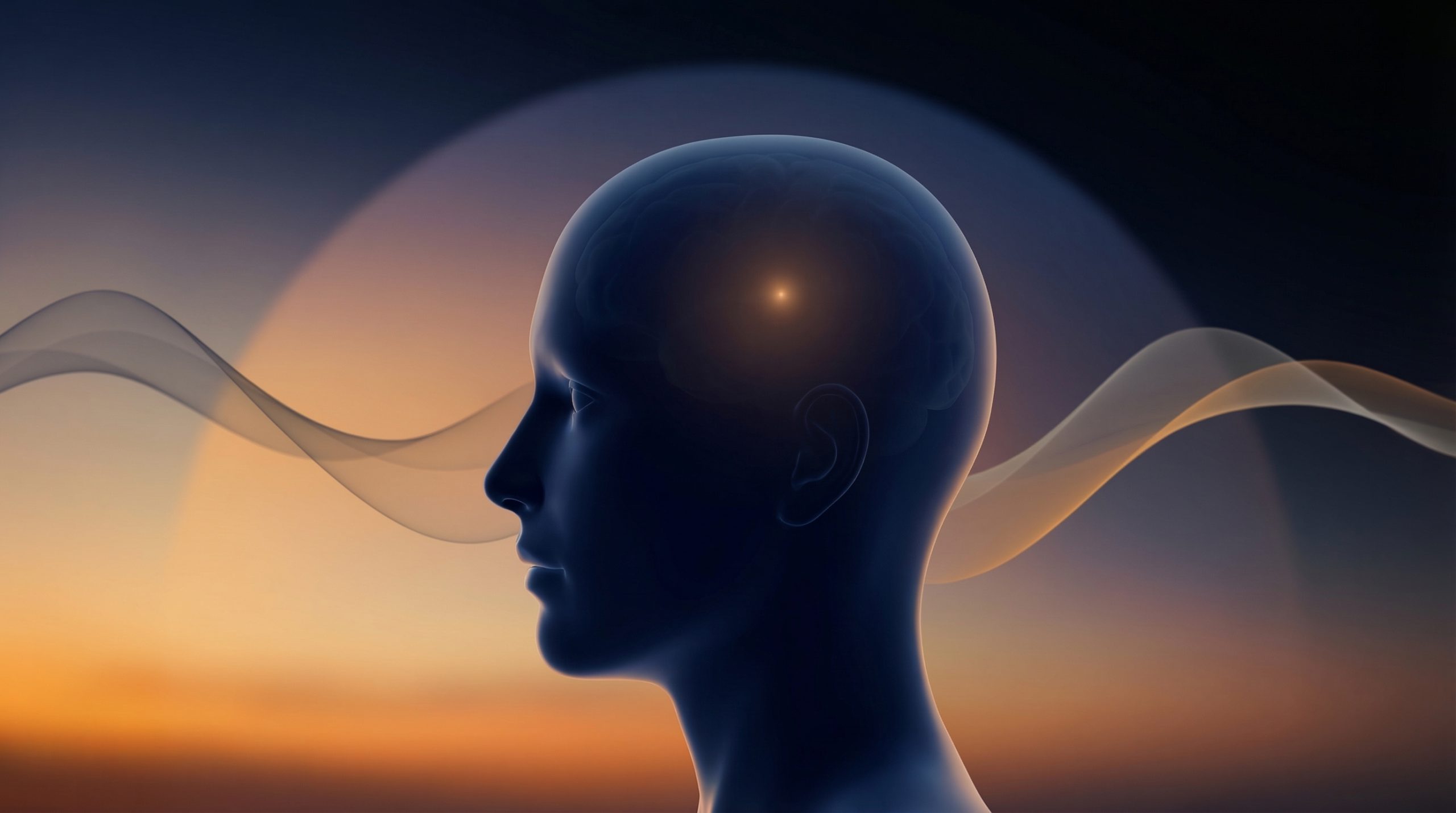
Pineal gland activation is one of those phrases that shows up everywhere online.
For some people it means better sleep. For others it points to a mystical “third eye awakening.”
The truth is simpler — and, honestly, more useful.
This article is here to separate what the pineal gland does in the body from what people may experience in the inner world. Then we’ll land on something practical you can actually use: rhythm, light, and a gentle way to breathe.
Quick answer (no hype)
- The pineal gland is best known for its role in melatonin and the body’s sleep–wake rhythm.
- “Third eye” language often describes inner perception — attention, intuition, and emotional awareness.
- If a practice creates tingling, dizziness, or panic, it’s often overbreathing, not “progress.”
- The reliable basics are simple: light timing + gentle breathing + consistency.
If you only take one idea from this: don’t chase effects. Build steadiness.
A small gland with a quiet job
Biologically speaking, the pineal gland is a small endocrine gland tucked deep in the brain. Its most well-known role is producing melatonin, which helps regulate the body’s daily rhythm of sleeping and waking.
Light is the main signal that guides this rhythm.
When evening light softens, melatonin rises and the body prepares for sleep. When morning light hits the eyes, the system shifts again.
That’s why, if your goal is better sleep, light exposure is often more powerful than any “activation technique.”
If your goal is sleep, start here:
- Reduce bright light at night (especially overhead lighting).
- Keep a consistent sleep/wake schedule.
- Get outdoor morning light when possible.
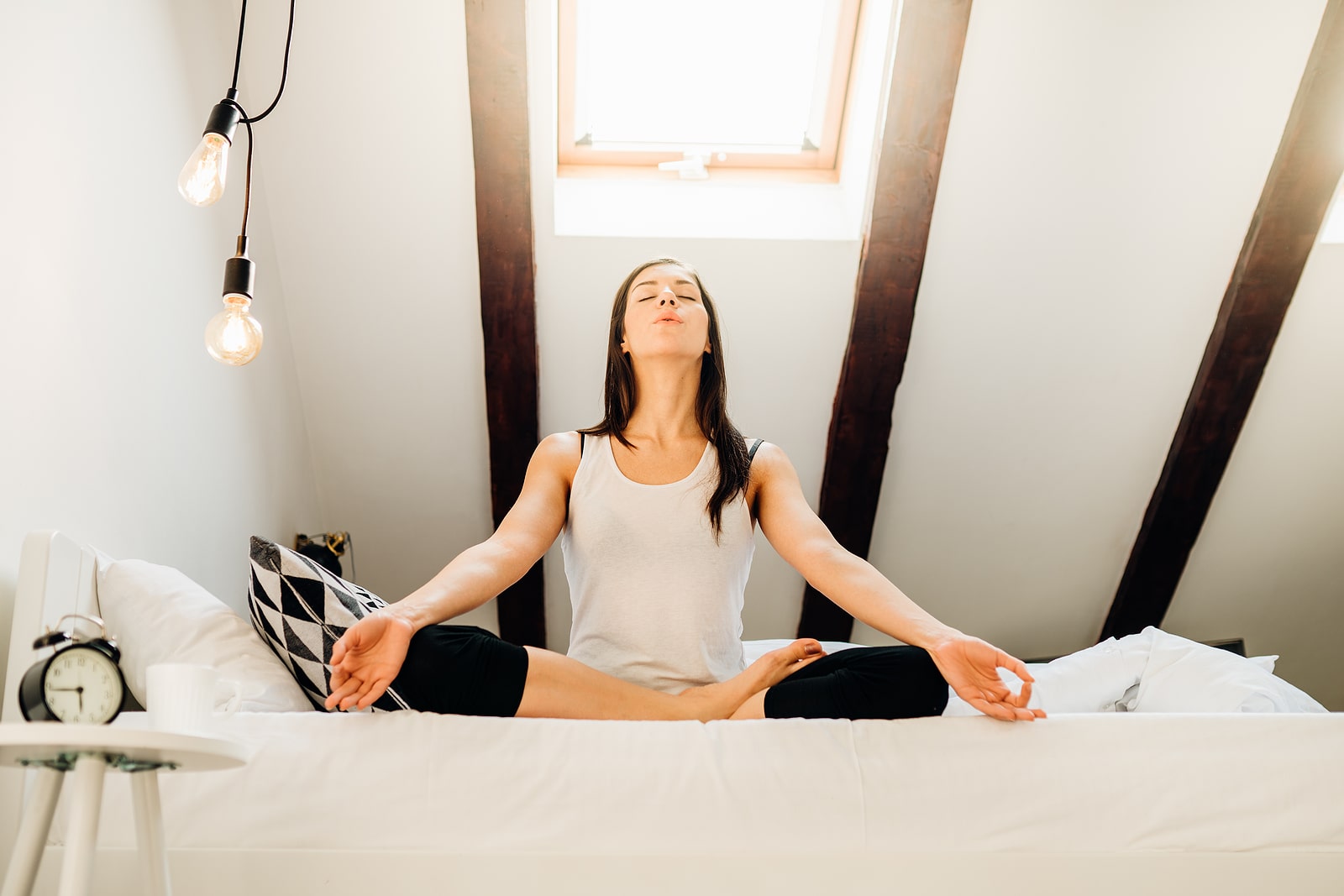
- Use gentle breathing to help the nervous system downshift.
Why the “third eye” shows up in the conversation
Across many spiritual traditions, the “third eye” is a symbol for inner perception — the ability to observe thoughts, emotions, and sensations more clearly.
Breathwork and meditation can sometimes make inner experience feel more vivid. People may notice forehead sensations, spaciousness, or a sense of expanded awareness.
There is nothing wrong with any of that.
Still, it helps to name what’s happening:
- The biological level: melatonin, circadian rhythm, sleep cycles.
- The experiential level: awareness, attention, intuition, emotional perception.
Both can be meaningful. They just aren’t the same thing.
The most common mistake
Many people assume strong sensations mean something powerful is happening.
Tingling.
Dizziness.
Pressure in the head.
Very often, that’s simply overbreathing — breathing too fast, too big, or too forcefully.
When that happens, the chemistry shifts and the body reacts with sensations that can feel dramatic.
That does not mean you are “activating” anything.
It means you should slow down and soften the breath.
In breathwork, gentleness usually takes you further than intensity.
A simple practice that works
If you want a practical place to start, keep it simple.
First, support your body’s natural rhythm.
Dim the lights in the evening. Give your nervous system permission to wind down.
Then try a gentle breathing rhythm.
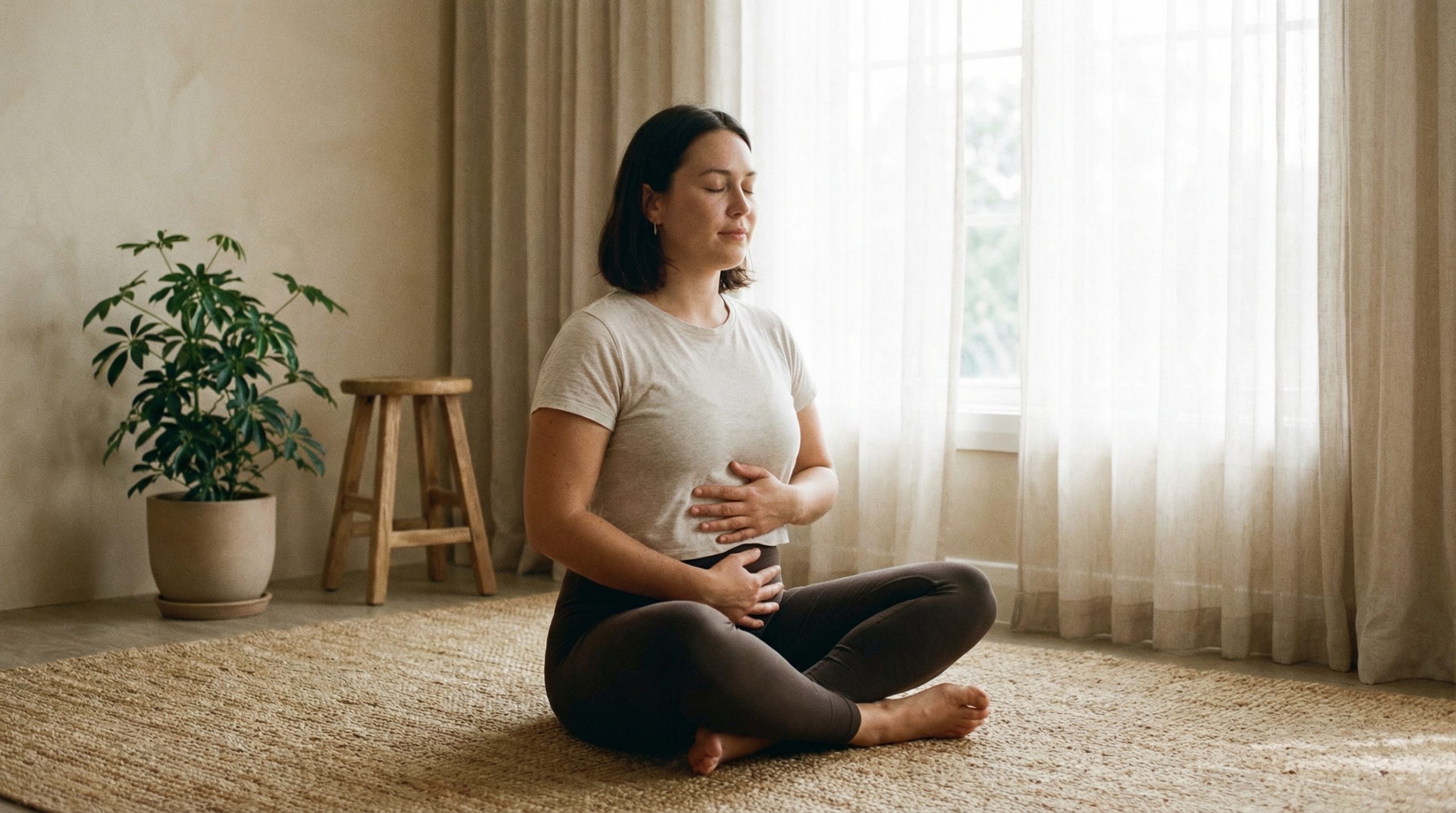
The 4–6 downshift
- Inhale through the nose for 4 seconds
- Exhale slowly for 6 seconds
- Keep the breath relaxed (not forced)
- Continue for 1–3 minutes
The longer exhale signals safety to the nervous system.
Over time, this helps your body transition more easily into rest and sleep.
And the more consistently you practice, the more natural it becomes.
Rhythm beats force. Steadiness beats fireworks.
What real progress looks like
People sometimes expect dramatic inner visions or mystical experiences.
Those can happen.
But they are not the point.
Real progress usually looks much simpler:
- Falling asleep more easily
- Recovering faster after stress
- Steadier energy through the day
- Noticing thoughts without being pulled by them
- Feeling more present in ordinary moments
In other words, life becomes more balanced.
And balance is where deeper awareness grows.
The deeper perspective
For many people, breathwork eventually becomes more than a relaxation technique.
It becomes a way of reconnecting with something deeper within themselves.
The breath sits at the meeting point of body and mind — physiology and awareness.
You could say it is a bridge between the conscious and the unconscious.
When you learn to cross that bridge with attention and respect, surprising things begin to unfold: clarity, insight, and sometimes a quiet sense of peace.
Not because you forced something to happen.
But because you learned how to listen.
If you want more structure
If you want guidance beyond trial-and-error, explore Breath Mastery Training Programs, review the Practitioner Program, or check upcoming live events.
For context on why breath matters in the first place, you can also start with Why Breathe? and Meet Dan.
FAQ
Is pineal gland activation a medical term?
No. In medicine, the pineal gland is mainly discussed in relation to melatonin and circadian rhythm. Online, the phrase often blends biology with spiritual symbolism.
Can breathwork “switch on” the pineal gland?
Breathwork is better understood as a way to influence nervous system state and attention. That can support sleep and clarity. It isn’t a button you press.
Why do some practices create tingling or dizziness?
Often it’s overbreathing. Make the inhale smaller, slow the pace, and lengthen the exhale. When in doubt, choose a gentler practice.
What’s a simple daily routine?
Try 2–3 minutes of the 4–6 downshift in the evening. Pair it with dimmer lighting and consistent sleep timing for a couple of weeks.
Disclaimer: This article is for education only and is not medical advice. If you have a medical condition, are pregnant, or have a panic/trauma history, start gently and consider professional guidance before intense breathwork.







Recent Comments