
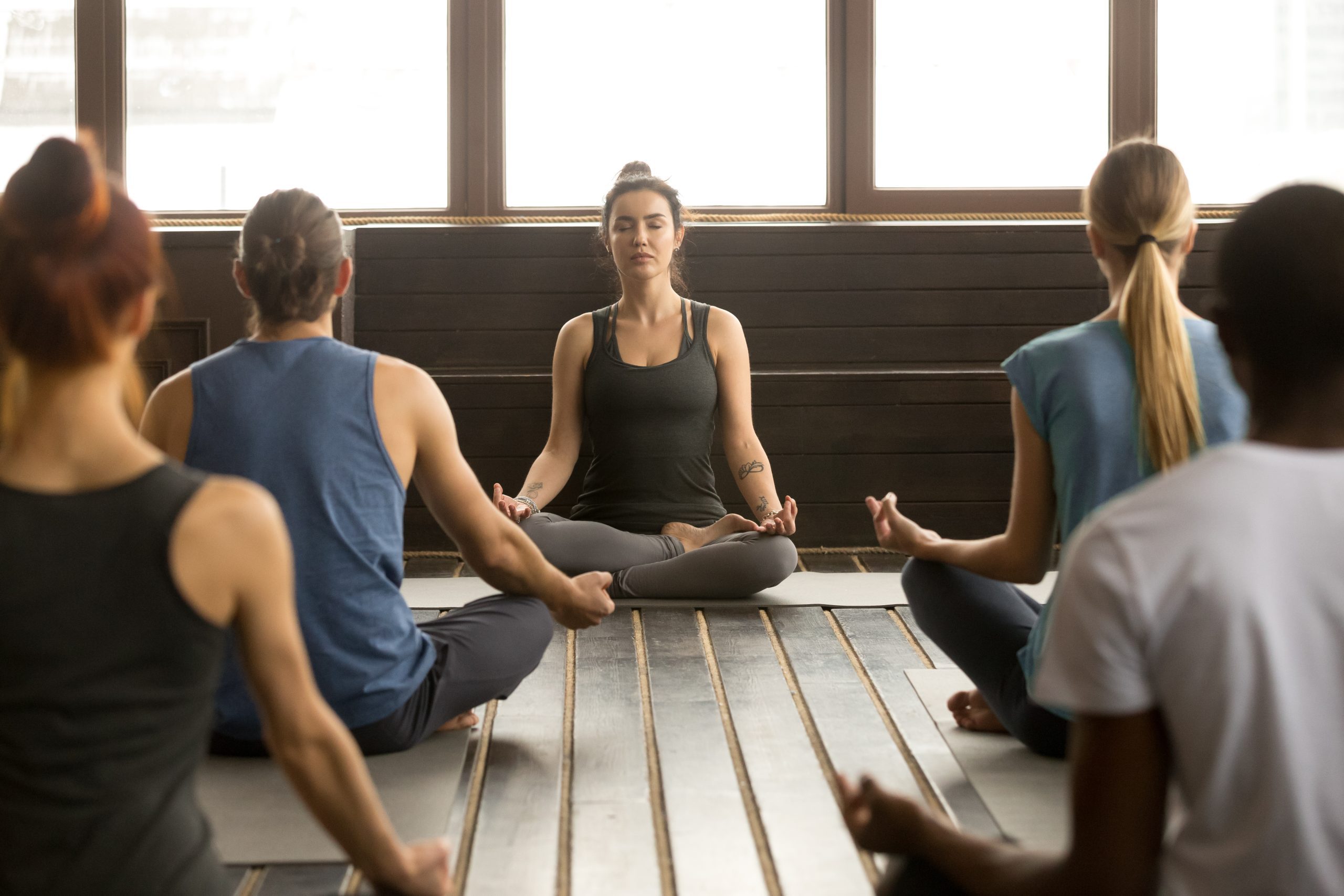
Taking a professional breathing class helps you practice in real situations. You also pick up solid knowledge about how the body works. In each session, you get clear safety steps so you stay steady while you try new techniques. You learn that small breathing changes can affect heart rate and help the nervous system settle.
At Breath Mastery, our instructors help students run breathing sessions that feel alive and clear. They learn how to notice what the body is telling them. They also work on building coaching work that lasts. Taking a full breathwork teacher training course can help wellness coaches, yoga teachers, and therapists add more sessions to their day. They can do it with more confidence and a steadier plan.
Deep Diving into Breathing Science and Body Mechanics
Safe breathing work begins with noticing how breath affects body chemistry. Change the way you breathe and your blood flow can shift quickly. Oxygen levels may also move during the practice. While you keep working through the exercise, your brain chemistry may change as well.
Understanding Nervous System Triggers
Quick breaths can turn on your sympathetic nervous system. They help move out stuck body tension. Slow breaths from your belly can switch on your parasympathetic nervous system. This can bring down stress hormones. It can also help your heart rate settle on its own.
Learning these internal triggers allows facilitators to adapt sessions for individual client needs. Students observe how conscious breathing helps people process deep emotional stress safely without feeling overwhelmed.
Mastering Carbon Dioxide and Oxygen Levels
Shifting your breathing rate changes carbon dioxide levels inside your bloodstream directly. Controlled breathing techniques help balance blood pH levels, which increases mental focus and physical energy.
Students studying breathwork training learn how to guide clients through these body shifts safely. Teachers explain how simple breath holds increase carbon dioxide tolerance and improve overall physical stamina.
 Learning Core Methods and Hands-On Facilitation Skills
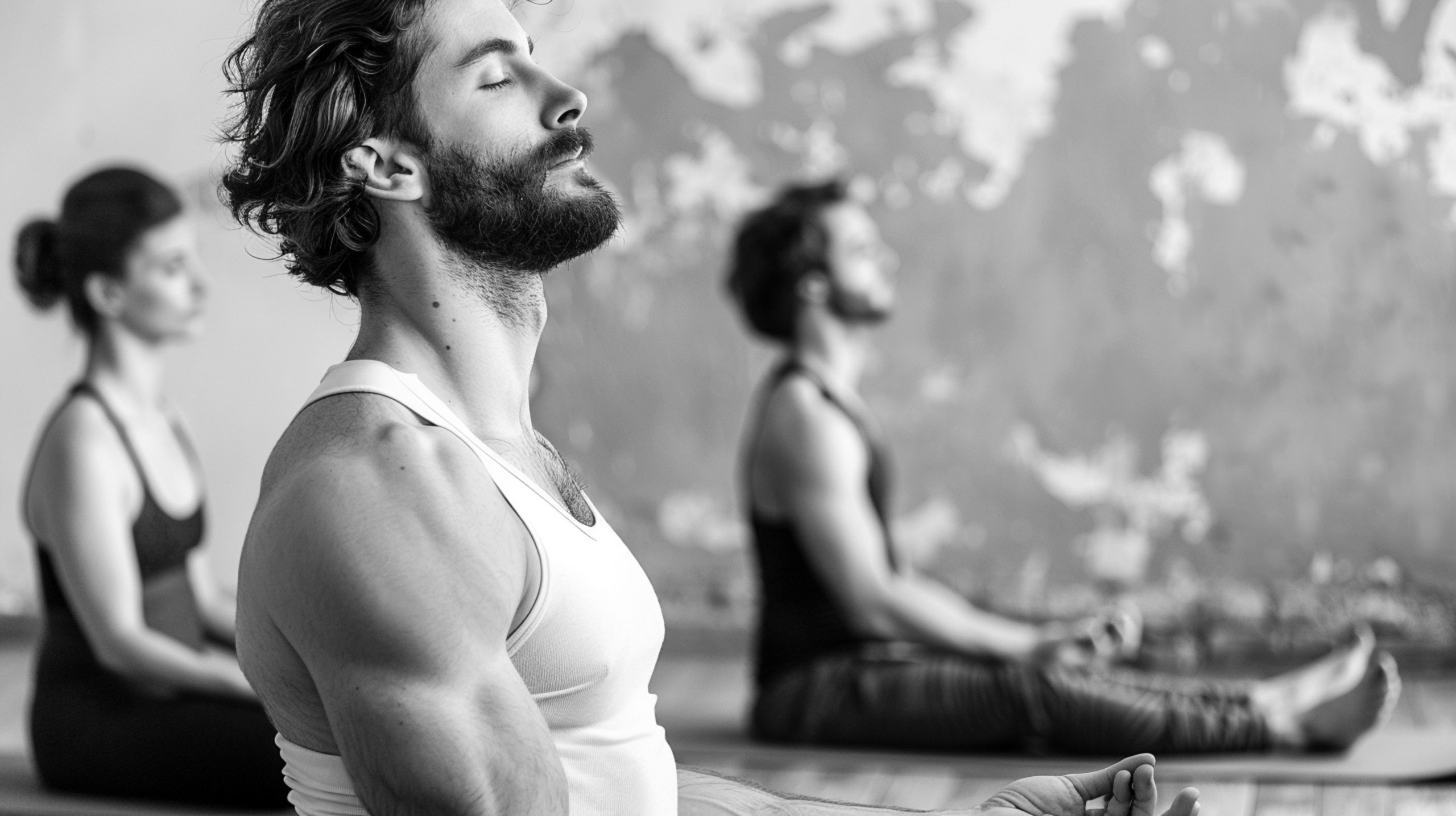
A good breathing session is not just a cue for inhale and exhale. The guide pays attention to how people sit, stand, and change their posture. They also tweak the music. That means the tempo and the overall mood. If a part starts to feel too intense, the guide comes in with a gentle touch and a calm check-in.
Guiding Individual and Group Sessions
Facilitators learn how to set up quiet, safe spaces that encourage people to drop their daily guard. Setting clear intentions before starting helps clients feel grounded and supported throughout the entire journey.
Teachers use verbal cues and music beats to guide participants through different breathing speeds. Learning to hold strong, neutral energy keeps the room safe while clients process deep physical releases.
Safe Hands-On Adjustments and Verbal Cues
Observing chest movements helps facilitators spot shallow breathing habits or physical tension immediately. Gentle hand placements on shoulders or ribs encourage clients to expand their lung capacity fully.
Enrolling in breathwork facilitator training teaches students how to give clear verbal directions without interrupting a client’s deep focus. Smooth vocal guidance helps participants stay relaxed and connected to their natural breathing rhythm.
Are you ready to deepen your personal practice and lead powerful breathing sessions for others?
Connect with Breath Mastery Today to Claim Your Training Spot!
Safety Standards and Emotional Support Guidelines
Safety forms the core pillar of any credible wellness program. Facilitators must know when to alter breathing patterns for clients facing specific medical or mental health conditions.
Screening Clients Before Sessions
Reviewing client health history forms prevents physical complications during intense breathing practices. People with heart conditions, high blood pressure, or recent surgeries need softer, gentler breathing patterns.
- Medical Screenings: Identify physical health conditions that require quiet, low-intensity breathing exercises.
- Emotional Readiness: Check if clients feel grounded enough to handle deep emotional releases comfortably.
- Clear Space Rules: Keep emergency contact information and basic physical support tools nearby at all times.
Learning these safety rules during breathwork facilitator training online protects both the client and the practitioner. Clear screening steps give facilitators peace of mind when leading large public workshops.
Managing Emotional Integration
Deep breathing can bring old memories and suppressed emotions to the surface suddenly. Facilitators learn to help clients process these feelings smoothly using quiet voice tones and grounding touch.
Let people rest quietly for about ten to fifteen minutes after each session. This gives the body time to settle and adapt to the physical changes. Have them do grounding activities too. These help bring their heart rate back to a normal range. Then they can feel calm and alert again before they get in the car to go home. Completing a verified Breathwork certification program gives practitioners the proper tools to support client integration and manage deep physical reactions with total authority.
 Do you want to gain official credentials and launch your own successful breathing practice?
Partner with us to Begin Your Facilitator Journey!
Launching Your Path as a Skilled Breathing Guide
Becoming a certified breathing guide requires real dedication, deep body knowledge, and practical facilitation experience. Mastering conscious breathing techniques allows you to help clients release stress, regain physical energy, and improve mental focus naturally.
If you enroll in Breath Mastery, you work with experienced mentors. They focus on safe breathwork practices, correct body use, and how to run a class well. Signing up for a breathwork teacher training where you will get the skills to guide strong sessions. You can also earn recognized credentials. This can help you start a solid wellness career.
FAQs
What is included in a professional breathwork training program?
A professional program includes deep body science, nervous system mechanics, and hands-on breathing techniques. You study how breathing shifts oxygen levels, blood chemistry, and physical stress stored inside muscles. The curriculum covers safety screenings, emotional release management, and class design for group workshops.
How long does breathwork teacher training usually take?
Training length depends on how the course is set up and what you want for your career. Some programs focus on core skills and end in just a couple of weekends. Other certification routes take longer, often around half a year up to two years. Taking time allows practitioners to absorb core body mechanics and master complex facilitation techniques safely.
What skills do you learn during breathwork facilitator training?
Facilitator courses teach you to read physical body cues, adjust music rhythms, and deliver clear vocal cues. You learn how to guide clients through deep emotional releases without freezing or overreacting. Training covers client health screenings, emergency protocols, and space preparation. You also learn business foundation steps, including session pricing, ethical client communication, and workshop promotion across local community networks.
Does breathwork training include practical or supervised sessions?
Yes, legitimate training programs place heavy emphasis on practical, supervised sessions. Students complete dozens of one-on-one sessions and group classes while logging detailed practice reports. Master trainers observe your vocal directions, body language reading, and hands-on adjustments during live meetings. Receiving direct feedback from experienced mentors ensures you handle unexpected client emotional releases smoothly and build real facilitation confidence.
Can I complete breathwork facilitator training online?
Yes, modern online options deliver complete facilitator programs through virtual learning platforms. Digital courses combine video lectures, downloadable manuals, weekly live group calls, and peer mentoring sessions. Students record their practice sessions with test clients and submit video reports for review. Online formats allow you to master breathing mechanics, safety protocols, and class leadership skills at your own pace.
Recent Comments