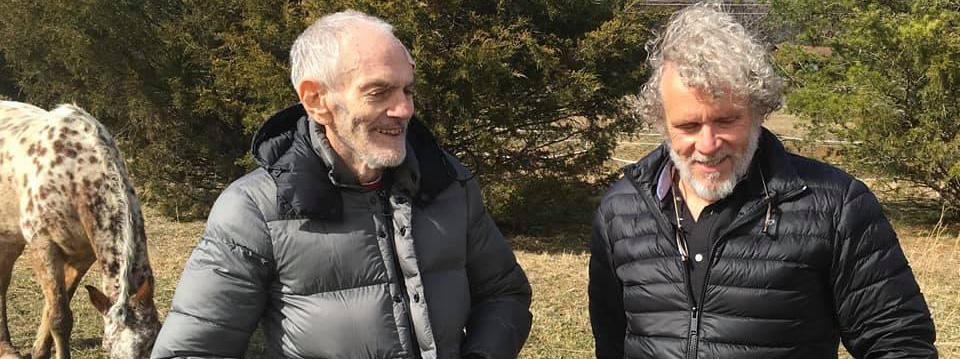
Rebirthing Breathwork was founded by Leonard Orr in the 1970s. Dan Brule, trained by Leonard in 1976, walks you through the practice and explains how to start your first session.
Something has been happening in me and around me recently… It’s difficult to describe or put into words, but it is becoming ever so real and unavoidable, inescapable ever-present and growing…
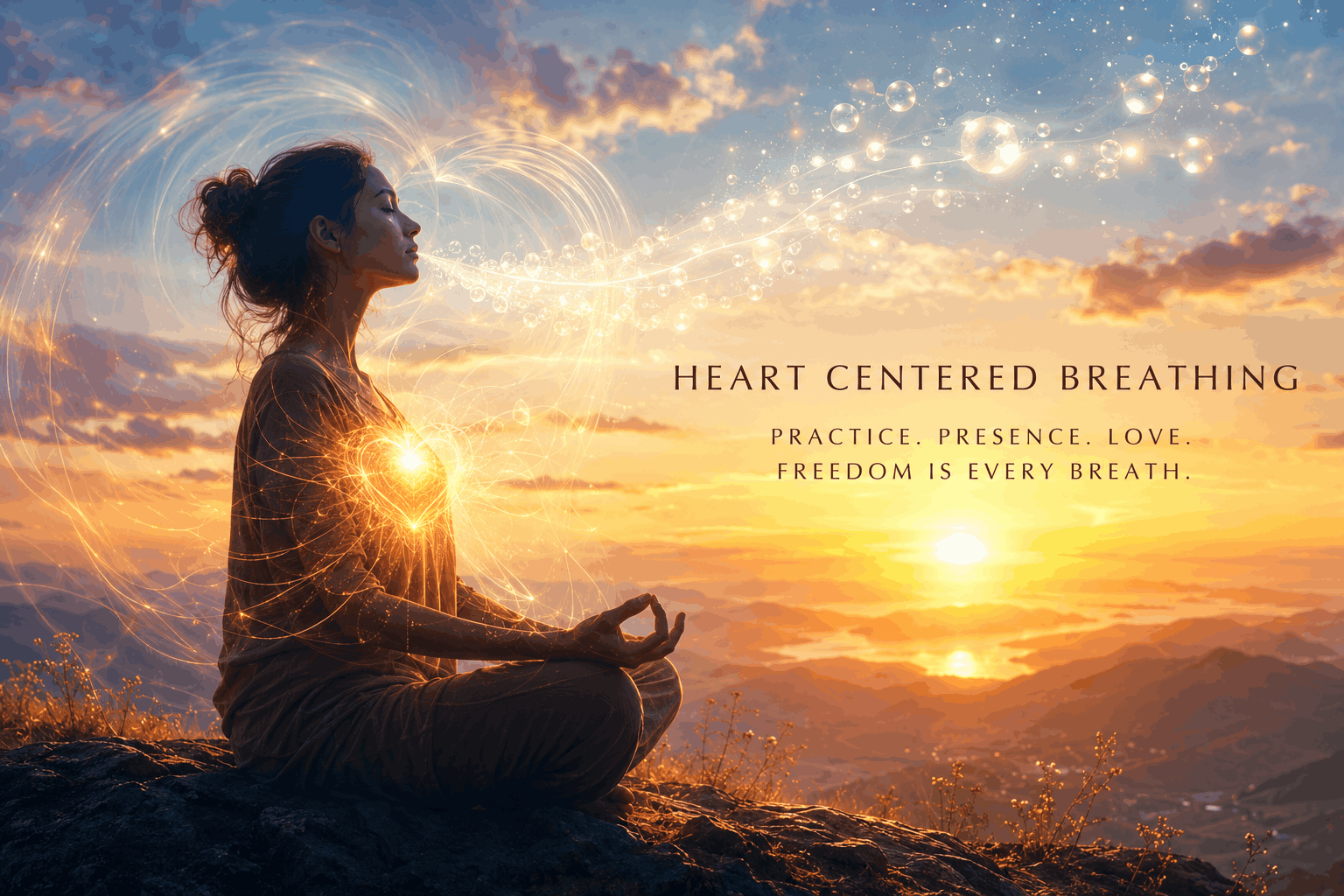
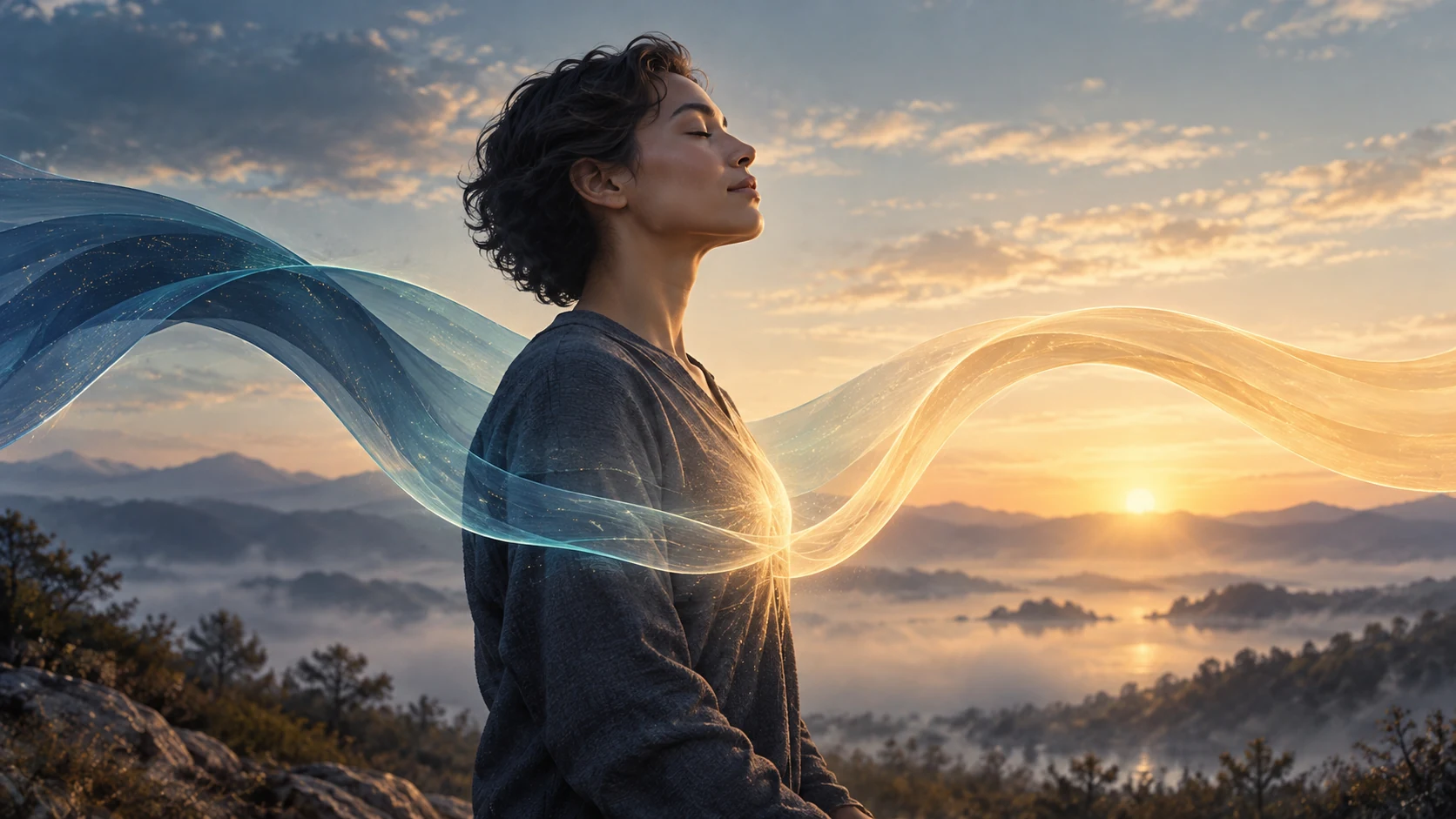
It’s a freedom. It’s a spaciousness. It’s an experience of breathing bubbles of light instead of molecules of air. It’s an overwhelming sense of love and clarity, of profound peace, of deep gratitude and appreciation, of causeless joy that needs no expression.
This month, we are focusing on using Breathwork to expand our awareness and raise our consciousness.
Are you ready? That’s not a rhetorical question. Ask and honestly answer it for yourself. Because some people may not be ready, willing or able to do this vital inner work.
Breathing in both warm and cold water have been powerful practices in Rebirthing and the Breathwork Movement since the earliest days. In fact, Rebirthing started with warm water sessions, but we soon learned that the water brought up too much too fast for most people, and so everyone was encouraged or required to do ten ‘dry’ sessions before going into water.
Warm water sessions recreate a womb-like environment that can evoke experiences of profound relaxation, ecstatic bliss, deep ancestral and generational healing, spiritual awakening, mystical states of oneness, wholeness and cosmic union.
From the moment most people get up in the morning, they are busy with work and life, and they are forced to deal with constant stimulation. The only rest they ever get is sleep. And even that is not often sound or restful.
But there is a powerful middle ground between wakefulness and sleep known as Non-Sleep Deep Rest (NSDR)—which is a modern term for an ancient practice called Yoga Nidra. And that is the topic of this month’s article.
This past June, Croatian freediver Vitomir Maričić held his breath underwater for 29 minutes and 3 seconds! And that got me thinking about what this means in our own lives and what we can take away from this extraordinary example of human potential. And so I’d like to share some of my take-aways.
Vitomir Maričić’s breath hold doesn’t belong only to the world of sport. It belongs to an ancient lineage of humans who learned that breath is not just air–it’s leverage. Yogis used it to still the mind. Monks used it to survive the cold. Warriors used it to stay clear in combat. Modern freedivers use it to renegotiate the limits of oxygen and fear. Different aims. Same doorway.
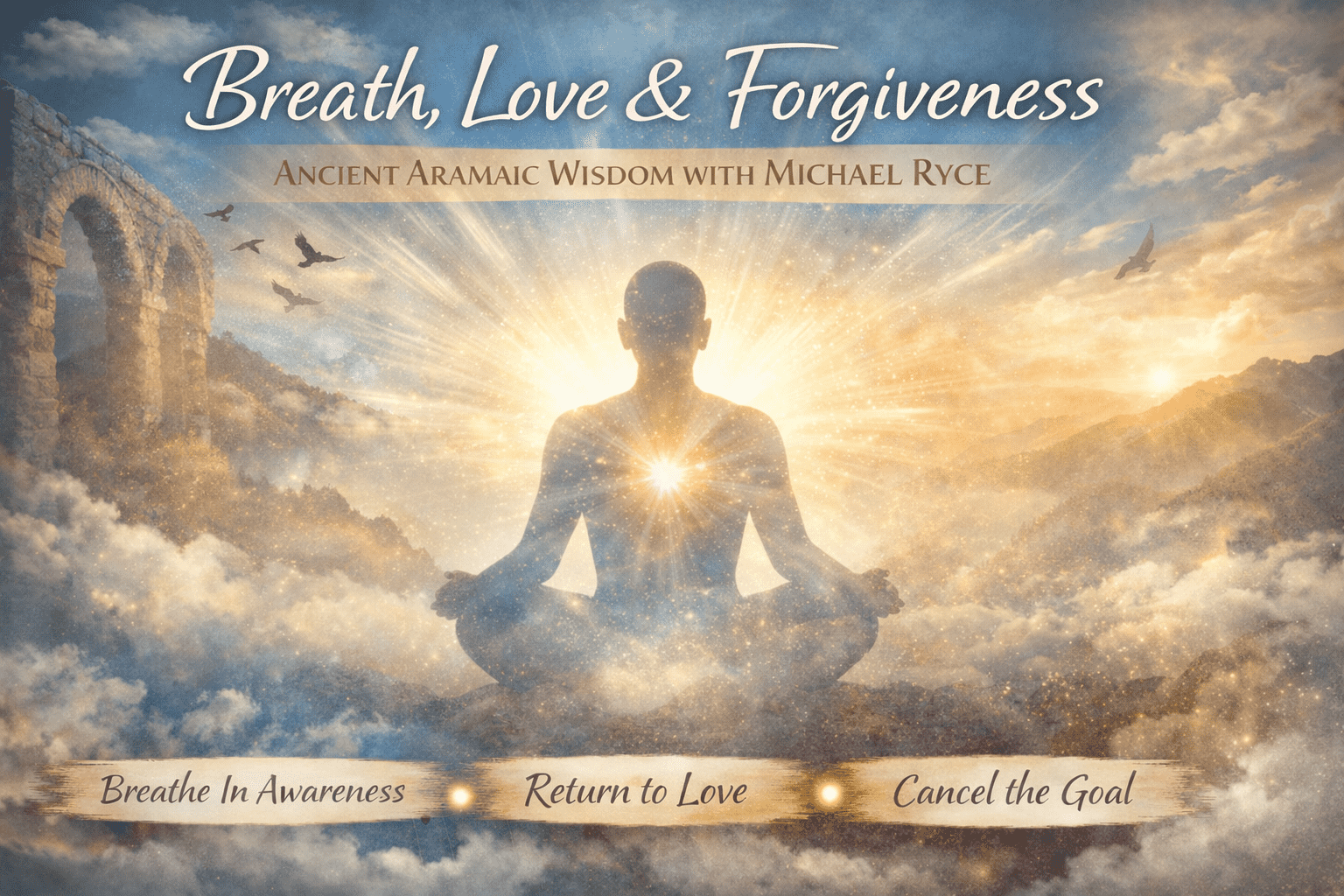
I recently spent two days in Virginia with Michael Ryce. He is an Aramaic scholar and the author of Why is this happening to Me…Again! Connecting with him is like breathing ancient wisdom through fresh lungs.
He has been such an inspiration to me over the years, and it was a gift to be able to exchange sessions and spend some quality time with him. So, this month, I’d like to share with you some of the insights and lessons I took away from our meeting.
If you’ve ever had anxiety hit you out of nowhere, the tight chest, buzzing head, and that weird “something’s wrong” feeling you can’t name, you probably already know one thing: your body reacts way faster than your thoughts can keep up. And honestly, that’s the annoying part. Anxiety doesn’t knock first. It just barges in, kicks off its shoes, and makes a mess of your whole system.
If you look around lately, the wellness world is exploding. Everyone’s stressed, tired, exhausted, and overwhelmed… and honestly, looking for anything that brings actual relief instead of another shiny “fix” that doesn’t do much. And that’s exactly why breathwork has stepped into the spotlight again, except this time, people actually want to learn it properly, not just do a couple of deep inhales from a YouTube video and hope their life instantly sorts itself out.
Breathwork has gone from a “niche wellness thing” to something people are taking seriously; athletes, therapists, doctors, corporate leaders, stressed-out parents, you name it. And honestly, it makes sense. Everyone breathes, but very few actually know how.
Deep breathing for anxiety, performance, sleep, and emotional regulation has become a go-to tool for millions of people, mostly because it’s simple, free, and actually works when done right.
Because of all this, the demand for trained breathing coaches has jumped. Not the “random people on social media” kind, but certified, skilled practitioners who understand technique, physiology, and how to guide people safely.
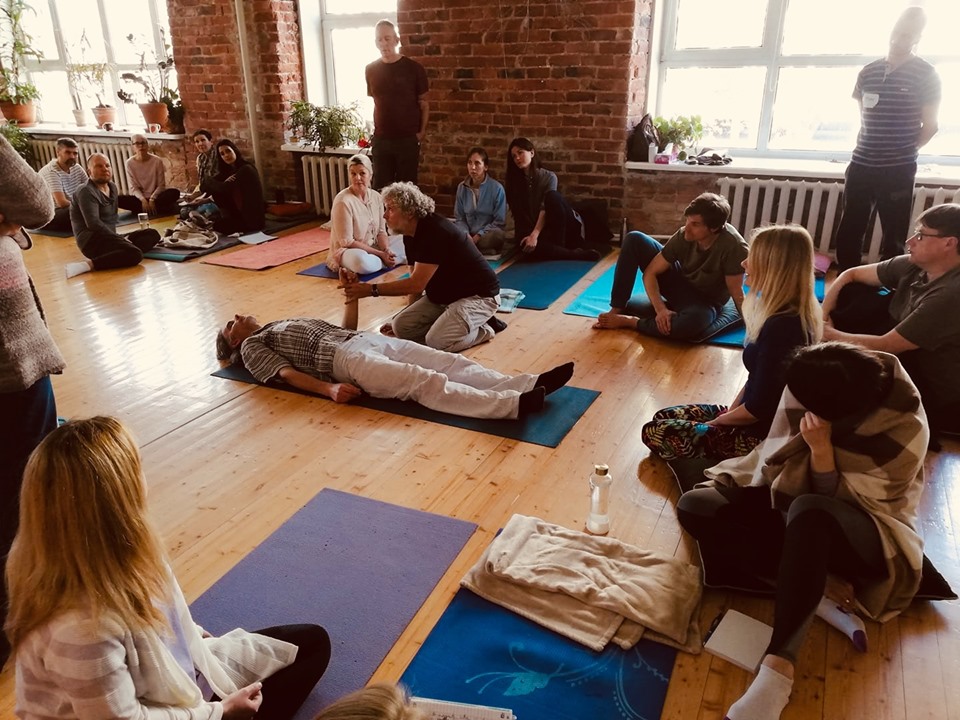
Recently, I’ve been working on a seminar/workshop for teams, whether in the Health, Sports, Creative, Tactical or Business field. The focus is on applying Breathwork to create group resonance and group flow. The art and science of triggering individual flow states is well established, so it seems to me that group flow is the next natural step.
We aim to trigger a spontaneous, unconscious, energetic connection or synchronicity among individuals–a shared emotional and psychological experience, where personal egos dissolve and everyone seems to meld into a single organism and a “group mind.”
The panic sets in, and your brain is racing in a marathon, which it has not entered. The heart pumps, the breathing is shallow, and suddenly the world feels overwhelming, almost unbearable. You have been there (and most of us, by the way, have been there), and you have had experience of how hard it is to calm down at the time.
And here is the good news: you do not need any fancy tools, therapy apps, or a Zen garden in the backyard. At times, the only thing that can slow things down is to breathe. Yes, it sounds too easy; however, deep breathing does work. The trick lies in knowing the effective breathing techniques for anxiety and how to do them correctly.
In this article, I will explain all of this so you can understand it easily.
Let’s be honest. Anxiety does not exactly come knocking at the door and wait in a nice manner to allow you to prepare. It appears out of the blue – during the meetings, in the traffic, when your brain decides that it is the right moment to relive all the embarrassing moments you have ever had.
As it hits, your heart begins to race. Breathing gets shallow. Your chest tightens. You get a sense that you are running in a spiral, although nothing is really wrong.
Deep breathing exercises for anxiety come in there, literally.
Recently, I’ve been working on a seminar/workshop for teams, whether in the Health, Sports, Creative, Tactical or Business field. The focus is on applying Breathwork to create group resonance and group flow. The art and science of triggering individual flow states is well established, so it seems to me that group flow is the next natural step.
We aim to trigger a spontaneous, unconscious, energetic connection or synchronicity among individuals–a shared emotional and psychological experience, where personal egos dissolve and everyone seems to meld into a single organism and a “group mind.”
We are nearing the close of our 2025 India Adventure. It’s been a profound Spiritual Breathing Training and Cultural Immersion Tour. These journeys are always intense. India has a way of stripping us down, inviting us to let go, while Breathwork offers us a way to flow with whatever arises.
This adventure has given us an opportunity to practice patience, to embody compassion, to live more fully, and be more present. Whenever a group of strangers comes together, living, working, and breathing side by side, differences in lifestyle, personality, and worldviews are bound to surface. Conflicts emerge. But it’s been wonderful to watch everyone lean into love, honesty, patience, and authenticity.
Over the past fifty years, I have written a great deal about the physical, mental, and emotional benefits of breathwork; for stress, tension, anxiety, depression, and pain management; for health and fitness, and for peak athletic performance.
I have published hundreds of articles about breathing mechanics, breathing chemistry, and respiratory physiology; about the use of conscious breathing for substance abuse prevention and intervention, addiction treatment, and recovery; for trauma release, and for awakening creative energy.
Recent Comments